Our Story

We founded Theorem Guard after a loss that reshaped our lives. During the Coronavirus Disease 2019 (COVID-19) pandemic, our founder lost both parents and an elderly sister within three weeks—grief deepened by seeing refrigerated trucks used as temporary morgues in New York. That tragedy became a mission: to prevent avoidable harm in the places most at risk. Across the United States, infections in senior-living communities, childcare centers, and shelters cause severe human and financial costs. We use precise, up-to-date health data and Artificial Intelligence (AI) to create hygiene guidelines that are tailored to be helpful, appropriate, timely, and suitable for your community's health needs and risks—making them efficient, effective, We design low-cost, evidence-based protocols and verify that teams implement them well. By making prevention visible and accountable, we turn potential loss into proven safety.

Somber New York street at dusk with an unmarked refrigerated truck.

How Theorem Guard Works

How We Tailor Protocols (Data + Artificial Intelligence)

Assess

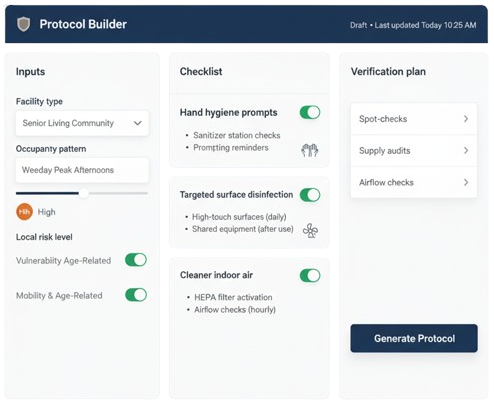
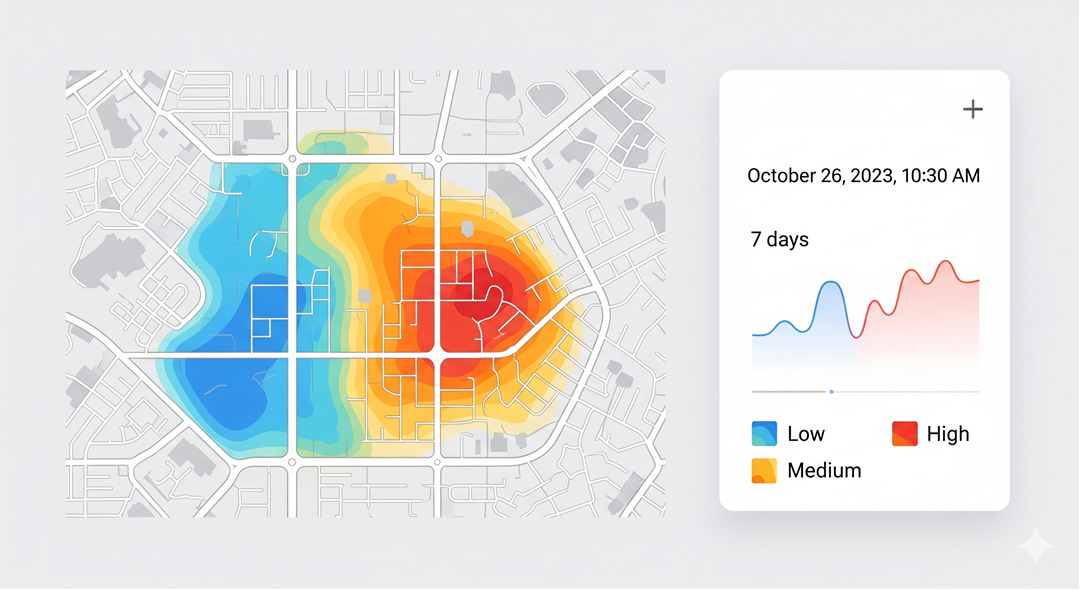
Inputs: hyper‑localized, real‑time epidemiological signals; public‑health alerts; seasonality; facility logs; occupancy patterns; and vulnerability profiles.

Tailor

Engine: Artificial Intelligence (AI) turns current risks into practical Standard Operating Procedures (SOPs), checklists, and schedules that are suitable for their purpose, easy to use, appropriate for the situation, timely, effective, and tailored

Verify

Benefit: fewer illness clusters and fewer costly disruptions—sustained by verification, not assumptions.

Hand hygiene you can see

What we verify

  • Prompts at points of entry, care, food service, and diaper‑changing areas
  • Continuous supply checks for soap, running water, paper towels, and alcohol‑based hand rub with at least 60 percent alcohol
  • Spot‑checks for staff, residents, visitors, and caregivers, with rapid coaching

Why it matters

Consistent hand hygiene reduces respiratory and gastrointestinal illness, stabilizes staffing, and lowers last‑minute disruptions.

Hotspot checks

The facilities include entrances and reception areas, dining rooms and food lines, bathrooms, activity rooms, medication pass stations, diaper-changing stations, and shift-change windows.

Targeted surface disinfection protocols and verification

We create the protocol and verify that your team follows it.

What we verify

  • Fit‑to‑purpose procedures for high‑touch surfaces (door handles, rails, call buttons, toys, shared devices)
  • Product choice and safe use for likely pathogens; correct dilution and dwell or contact times
  • Documented frequencies by risk level and use patterns
  • Incident response for gastrointestinal events (vomit or fecal contamination): isolate, step‑by‑step cleanup, disposal, post‑event checks
  • Auditable logs with supervisor sign‑off

Why it matters

High-touch and incident areas drive the spread in congregate settings; tight control prevents clusters from forming.

Hotspot checks

The amenities include shared bathrooms, dining tables and trays, elevator buttons, handrails, classrooms and play areas, intake desks, sleeping mats or bunks, and laundry zones.

Cleaner indoor air, fewer exposures

We set the standards and verify they are met.

What we verify

  • Practical “cleaner air” steps from public guidance: optimize outdoor air intake; align runtimes with occupancy
  • Use of Minimum Efficiency Reporting Value (MERV) 13 filters where safe and feasible
  • High Efficiency Particulate Air (HEPA) units in priority rooms (small high‑density rooms, intake offices, classrooms)
  • Spot measurements of airflow; documented filter‑change schedules
  • Verification of Air Changes per Hour (ACH) targets by room size, use, and crowding

Why it matters

Better ventilation and filtration reduce exposure to respiratory particles without costly retrofits.

Hotspot checks

The facilities include small rooms with high occupancy, rooms with limited windows, activity halls at peak times, and isolation or cohort areas during outbreaks.

Hotspot checks and rapid response (cross‑cutting)

We set the standards and verify they are met.

What we verify

  • A recurring “hotspot sweep” that flags locations, times, and behaviors with elevated risk
  • Fast corrective actions compliance (refill sanitizer, replace a clogged filter, repeat cleaning after a gastrointestinal incident, adjust ventilation before peak occupancy)
  • Short feedback loops to staff and service providers, with re‑checks to confirm the fix

Why it matters

Risk is uneven and shifts through the day; systematic checks keep prevention reliable—without superficial “deep‑clean” theatrics.

What We Verify (and Why It Matters)

Scope: Theorem Guard does not clean or disinfect. We create protocols based on evidence and ensure that partner teams follow them correctly by using audits, observations, logs, tracking results, and quick feedback.
Senior Living & Long‑Term Care (United States)

  • Scale: approximately 15,000 facilities certified by the Centers for Medicare and Medicaid Services (CMS); approximately 1.2 million residents.
  • Burden: analyses of long‑term‑care settings cite ~1.6–3.8 million infections annually, up to ~388,000 infection‑associated deaths.
  • Action: focus on hand hygiene, targeted surface disinfection, and cleaner air; maintain ready‑to‑run outbreak playbooks.

Childcare & Early Education

  • Scale: approximately 14.7 million children under six have all available parents in the workforce—high exposure in group care.
  • Prevention: consistent hand hygiene programs are associated with ~16–21 percent fewer respiratory illnesses and ~23–40 percent fewer diarrheal illnesses; gastrointestinal‑related absenteeism can drop ~29–57 percent.
  • Cost example: in Michigan, childcare‑associated viral acute gastroenteritis (AGE) was estimated at 15–31 million dollars per year, mainly from productivity loss.

Shelters & Congregate Facilities

  • Acute‑care dependence: people experiencing homelessness have about 310 Emergency Department (ED) visits per 100 persons per year (2020–2021) versus ~40 per 100 among the non‑homeless.
  • Cost reality: In New York City, shelter stays average about 136 dollars per day, while a day of hospitalization averages ~3,609 dollars—preventing one hospitalization yields outsized savings.
  • What works: a layered approach—hand hygiene, cleaner air, targeted disinfection, and clear outbreak protocols—verified.

Sectors We Serve

Outcomes you can count and show

  • Fewer illness clusters and avoidable hospital transfers
  • More predictable staffing and less forced overtime
  • Lower family disruption from sudden classroom or unit closures
  • Clear, transparent logs for leaders, regulators, and payers
  • Confidence for residents, children, families, and staff

Who this helps—and how it feels

  • Operators and administrators: fewer fire drills, clear standards, verifiable results for boards and regulators
  • Frontline staff and caregivers: simple steps, visible prompts, rapid feedback—good intentions turned into reliable habits
  • Families and residents or children: prevention is measured and maintained, not assumed
  • Funders, insurers, and regulators: consistent verification and reporting that is easy to audit

Results You Can Count and Show

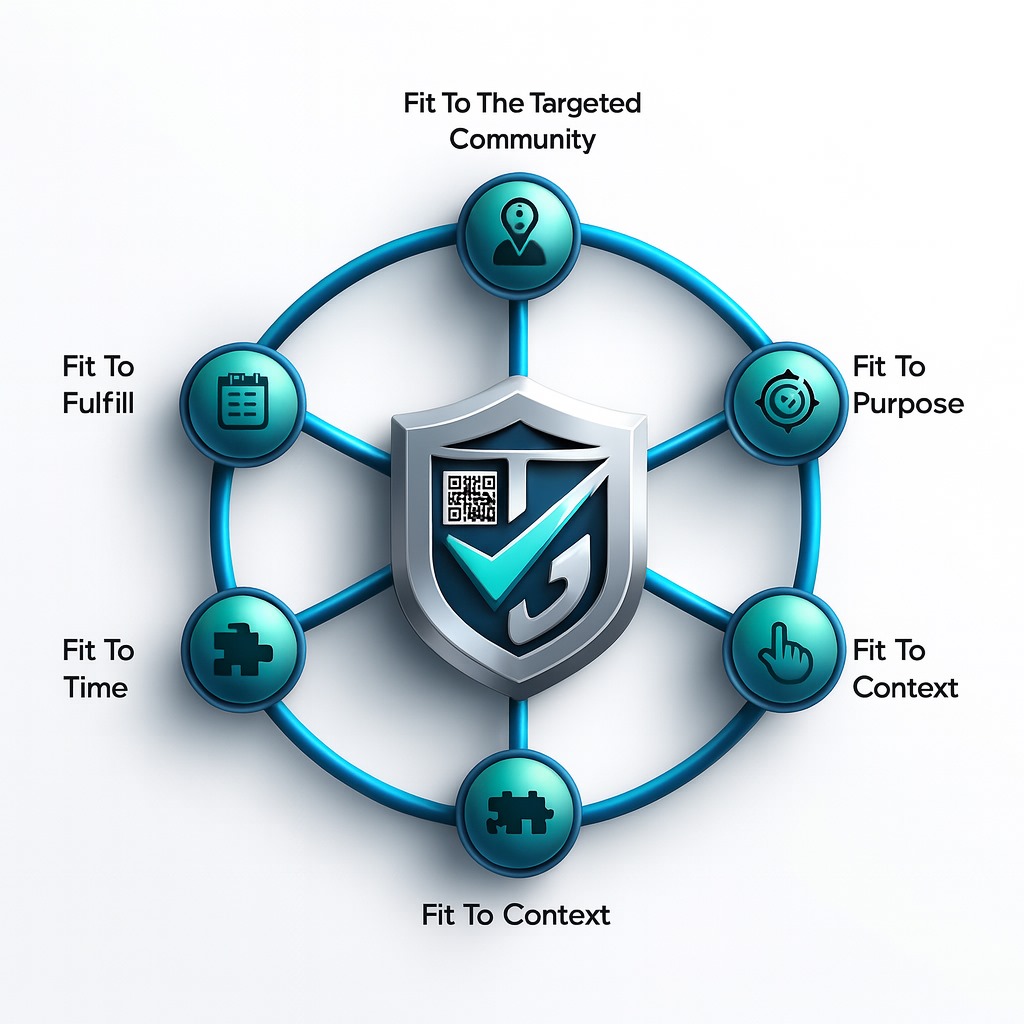
Our Fit-to- Promise*

  • Fit to the targeted community — “Tailored to your community’s health profile and vulnerability.”
  • Fit to purpose — “Designed for the outcome that matters most.”
  • Fit to use — “Usable by the people who must do the work.”
  • Fit to context — “Works with your real-world constraints and workflows.”
  • Fit to time — “Timed to seasonality, occupancy, and risk.”
  • Fit to fulfill — “Documented, measurable, and verifiable.”

How our data and Artificial Intelligence (AI) engine support you

  • Hyper‑localized, real‑time signals guide daily priorities and staffing focus
  • Fit‑to‑purpose protocols adjust with seasonality, occupancy, and vulnerability profiles
  • Verification by design: audits, observations, and outcome tracking make progress visible

Learn the steps we track and how they tie to outcomes

Get a tailored plan for your facility type, size, and risk profile
Talk to Our Team